Berberine & Glucose Metabolism: What The Human Trial Data Shows
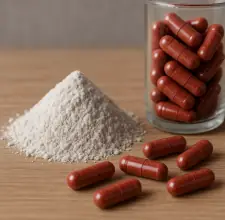
Berberine is the anchor ingredient in a lot of blood-sugar formulas, and unlike many botanical ingredients, it has a genuinely substantial human trial record behind it.
What the research generally shows
Berberine is studied for its role in activating AMPK, an enzyme central to how cells regulate energy and take up glucose. Multiple human trials have looked at berberine and glucose-related markers, giving it a more established research base than most supplement botanicals.
The dose question most marketing skips
Here's the part that matters and often gets glossed over: published research uses specific, defined doses — and liquid-drop supplement formats typically don't publish the exact milligram amount per serving. A formula naming berberine first on its label (implying it's present in the largest amount) is a reasonable signal, but it isn't the same as a disclosed, comparable dose.
The interaction that matters most
Berberine can affect how the body metabolizes other medications and may add to the glucose-lowering effect of diabetes medication. Anyone taking metformin, insulin, or other glucose-lowering drugs should talk to a doctor or pharmacist before adding a berberine-containing supplement — not after.
A reasonable takeaway
Berberine has a genuinely stronger evidence base than most botanical ingredients in this category. That's real, and it's also not the same as evidence for any specific undisclosed-dose product built around it.